


Everything You Need to Know About the O-Shot and M-Shot
By: The Hidden Epidemic of Sexual Health and What We Can Do

Tempe 480.968.5673
Glendale 602.374.3374
Phoenix 602.441.3305
Chandler480.447.1165
Choosing the Right Protein Powder for Your Weight Loss Goals By: Protein powders are perhaps one of the most popular supplements on the market, and there’s a reason why they’re an extremely convenient and portable way to add protein to any meal. You can throw some protein powder in a

Protein powders are perhaps one of the most popular supplements on the market, and there’s a reason why they’re an extremely convenient and portable way to add protein to any meal. You can throw some protein powder in a smoothie, stir it into oatmeal, or even make pancakes with it. Bodybuilders swear by them; fitness enthusiasts use them regularly; and they’re often used as meal replacements for those who have trouble eating or are trying to gain weight.
At Valley Medical Weight Loss across all four Phoenix metro locations, we help individuals understand how protein supplementation can support their weight loss journey and which type of protein powder best fits their dietary needs and goals.
Not all protein powders are created equally, though. The best one for you is, of course, a personal choice, but we’ll break down the differences between some of the more common varieties on the market to make that decision a little easier for you.
Before diving into the different types of protein powder, let’s understand why protein is so crucial for weight loss success.
Protein supports weight loss by:
Through experience at Valley Medical Weight Loss, we’ve observed that individuals who consume adequate protein during weight loss maintain more muscle mass and achieve better long-term results.
Milk contains two major types of protein: whey and casein. Most of the protein in milk, or 80 percent, is in the form of casein, while 20 percent is in the form of whey. Both of these types of proteins are highly digestible, and the body can use them easily. Because of this, they’re two of the most commonly used proteins in protein powders.
Both whey and casein are also high in what’s called branched-chain amino acids. Branched-chain amino acids, or BCAAs, promote muscle growth, prevent fatigue, and may even boost your immune system
Whey protein is the gold standard of protein powders and the most popular choice among fitness enthusiasts and weight loss individuals.
Benefits of whey protein:
Types of whey protein:
Types of whey protein:
Our Skip-A-Meal Meal Replacement Beverage is a whey protein meal replacement shake that serves as a high-protein, low-calorie replacement for a higher-calorie meal. It’s perfect for busy individuals who need convenient, nutritious meal options during weight loss.
Casein is the slow-digesting protein found in milk, making it ideal for sustained protein release.
Benefits of casein protein:
Best uses for casein:
Something to keep in mind is that since both whey and casein protein powders are milk-based, they do contain lactose and can cause digestive issues if you’re lactose intolerant. You also need to avoid them if you’re sensitive to or allergic to dairy.
Solutions for lactose intolerance:
Before the milk-based protein powders took over the scene, egg white protein powder was actually the most popular source of protein supplementation. Egg white protein powder is just as easily digested and absorbed by the body as milk-based protein powder, but it tends to be naturally lower in fat and carbohydrates and is also cholesterol-free.
Benefits of egg protein:
Best for:
Considerations:
Soy is a complete protein, which means that it contains all of the essential amino acids you need to stay healthy. What makes this rare is that most plant-based sources of protein are incomplete. Soy also contains isoflavones, which act as antioxidants and can help keep your heart healthy by lowering bad cholesterol levels.
Like milk- and egg-based protein powders, soy is highly digestible and absorbable, but the protein doesn’t enter the bloodstream as quickly. Because of this, soy protein powder isn’t the best choice directly after a workout.
Benefits of soy protein:
Considerations:
Best for:
If you would rather avoid soy, there are many other vegetable-based protein powders available as well. Some of the most popular options are hemp, pea, and rice protein. Plant-based proteins like these are higher in carbohydrates and lower in protein than the other types of protein powders and are not as easily digested and absorbed, but they provide other health benefits.
Pea protein has become increasingly popular and is often used in vegan protein blends.
Benefits:
Best for:
Hemp protein provides more than just protein; it’s a nutritional powerhouse.
Benefits:
For example, hemp protein also contains fiber and omega-3 fatty acids, making it an excellent choice for overall health.
Best for:
Brown rice protein is a hypoallergenic option that’s gaining popularity.
Benefits:
Gluten-free – Safe for celiac disease
Considerations:
Many companies now offer blended plant proteins that combine multiple sources to create a complete amino acid profile.
Common blends include:
Our KOS Meal Replacement is a plant-based protein option that provides complete nutrition for those following vegan or plant-based diets.
While protein powders can make a good addition to your daily diet, there are common misconceptions about the amount of protein you need. Most people don’t need to take in extra protein. Most of us get enough already.
There are two ways to figure out how much protein you need each day.
The first is more general and based on your calorie intake. The current recommendation is to get 10 to 35 percent of your calories from protein. This means that if you’re on a standard 2,000-calorie diet, you should be eating 50 to 175 grams of protein per day.
The other, more specific, way to figure out your protein needs is based on your body weight. You should be eating around 0.8 grams of protein for every 2.2 pounds of body weight. That means if you’re 200 pounds, you need around 73 grams of protein per day.
However, during weight loss, protein needs are actually higher to preserve muscle mass.
Recommended protein during weight loss:
Example: A 200-pound person losing weight should consume 160-200 grams of protein daily.
Through work at Valley Medical Weight Loss, we customize protein recommendations based on your activity level, weight loss goals, and whether you’re using medications like GLP-1 injections.
The amount of protein differs greatly depending on which type of protein powder you choose. Milk- and egg-based protein powders tend to provide the most protein per serving, while the plant-based protein powders are lower in protein and higher in carbohydrates.
Typical protein content per scoop (30g serving):
Yes, but choose a complete meal replacement formula like our Skip-A-Meal that includes vitamins, minerals, and other nutrients, not just protein powder alone.
Post-workout for muscle recovery, as a meal replacement, between meals for satiety, or before bed (casein) to prevent muscle breakdown.
No. Building significant muscle requires specific training and a calorie surplus. Protein powder during weight loss helps preserve existing muscle, not build bulk.
Absolutely! Protein is especially important when using GLP-1 injections to preserve muscle mass during rapid weight loss.
Track your intake for a few days, monitor your energy levels, and watch for signs like excessive hunger, muscle loss, or slow recovery from workouts.
Mix it up:
Maximize absorption:
Storage tips:
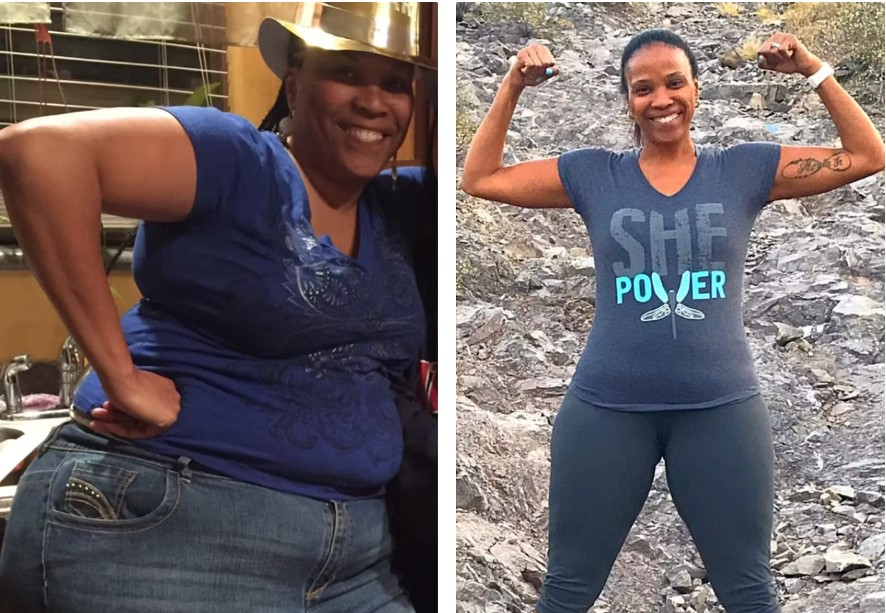
Many individuals have enhanced their weight loss results by incorporating protein powder strategically. One person shared, “Adding a protein shake to my morning routine with Valley Medical’s Weekly Weight Loss Program helped me stay full until lunch and preserve my muscle. I lost 52 pounds and actually got stronger!”
Another told us, “I was skeptical about protein powder, but Skip-A-Meal made it so easy to get enough protein during my busy days. It kept me on track, and I lost 38 pounds!”





Subscribe for expert insights on building confidence, overcoming mental barriers, and achieving lasting weight loss success. Join patients who are transforming both body and mind.Join our newsletter for expert insights on treating melasma, hyperpigmentation, and other skin concerns. Our medical aesthetic team shares practical advice to help you achieve clear, radiant skin.
Valley Medical Weight Loss has been helping individuals achieve their health and wellness goals for over 15 years, with more than 80,000 patients served across the Phoenix metro area. Our four convenient locations in Phoenix, Tempe, Glendale, and Chandler offer physician-supervised weight loss programs, advanced treatments, and personalized support, all with transparent pricing and no hidden fees. We believe in making effective weight loss accessible, affordable, and sustainable for everyone. Learn more about our approach.
At Valley Medical Weight Loss, we provide personalized nutrition guidance as part of our comprehensive weight loss programs. We’ll help you determine your optimal protein intake and recommend the best supplementation strategy for your goals.
Visit us at any location:
Walk-In Hours: Mon–Fri: New patients until 4:30 PM, existing patients until 5:30 PM; Sat: until 2:30 PM; Sun: Closed.
Protein and Meal Replacement Options:
Comprehensive Weight Loss Programs:
Additional Nutritional Support:
Related Diet Information:
Additional Resources:

By Dr. Samuel Zuniga, ND
Valley Medical Weight Loss | Chandler, Arizona
Protein powders are perhaps one of the most popular supplements on the market, and there’s a reason why they’re an extremely convenient and portable way to add protein to any meal. You can throw some protein powder in a smoothie, stir it into oatmeal, or even make pancakes with it. Bodybuilders swear by them; fitness enthusiasts use them regularly; and they’re often used as meal replacements for those who have trouble eating or are trying to gain weight.
At Valley Medical Weight Loss across all four Phoenix metro locations, we help individuals understand how protein supplementation can support their weight loss journey and which type of protein powder best fits their dietary needs and goals.
Not all protein powders are created equally, though. The best one for you is, of course, a personal choice, but we’ll break down the differences between some of the more common varieties on the market to make that decision a little easier for you.
Before diving into the different types of protein powder, let’s understand why protein is so crucial for weight loss success.
Protein supports weight loss by:
Through experience at Valley Medical Weight Loss, we’ve observed that individuals who consume adequate protein during weight loss maintain more muscle mass and achieve better long-term results.
Milk contains two major types of protein: whey and casein. Most of the protein in milk, or 80 percent, is in the form of casein, while 20 percent is in the form of whey. Both of these types of proteins are highly digestible, and the body can use them easily. Because of this, they’re two of the most commonly used proteins in protein powders.
Both whey and casein are also high in what’s called branched-chain amino acids. Branched-chain amino acids, or BCAAs, promote muscle growth, prevent fatigue, and may even boost your immune system
Whey protein is the gold standard of protein powders and the most popular choice among fitness enthusiasts and weight loss individuals.
Benefits of whey protein:
Types of whey protein:
Types of whey protein:
Our Skip-A-Meal Meal Replacement Beverage is a whey protein meal replacement shake that serves as a high-protein, low-calorie replacement for a higher-calorie meal. It’s perfect for busy individuals who need convenient, nutritious meal options during weight loss.
Casein is the slow-digesting protein found in milk, making it ideal for sustained protein release.
Benefits of casein protein:
Best uses for casein:
Something to keep in mind is that since both whey and casein protein powders are milk-based, they do contain lactose and can cause digestive issues if you’re lactose intolerant. You also need to avoid them if you’re sensitive to or allergic to dairy.
Solutions for lactose intolerance:
Before the milk-based protein powders took over the scene, egg white protein powder was actually the most popular source of protein supplementation. Egg white protein powder is just as easily digested and absorbed by the body as milk-based protein powder, but it tends to be naturally lower in fat and carbohydrates and is also cholesterol-free.
Benefits of egg protein:
Best for:
Considerations:
Soy is a complete protein, which means that it contains all of the essential amino acids you need to stay healthy. What makes this rare is that most plant-based sources of protein are incomplete. Soy also contains isoflavones, which act as antioxidants and can help keep your heart healthy by lowering bad cholesterol levels.
Like milk- and egg-based protein powders, soy is highly digestible and absorbable, but the protein doesn’t enter the bloodstream as quickly. Because of this, soy protein powder isn’t the best choice directly after a workout.
Benefits of soy protein:
Considerations:
Best for:
If you would rather avoid soy, there are many other vegetable-based protein powders available as well. Some of the most popular options are hemp, pea, and rice protein. Plant-based proteins like these are higher in carbohydrates and lower in protein than the other types of protein powders and are not as easily digested and absorbed, but they provide other health benefits.
Pea protein has become increasingly popular and is often used in vegan protein blends.
Benefits:
Best for:
Hemp protein provides more than just protein; it’s a nutritional powerhouse.
Benefits:
For example, hemp protein also contains fiber and omega-3 fatty acids, making it an excellent choice for overall health.
Best for:
Brown rice protein is a hypoallergenic option that’s gaining popularity.
Benefits:
Gluten-free – Safe for celiac disease
Considerations:
Many companies now offer blended plant proteins that combine multiple sources to create a complete amino acid profile.
Common blends include:
Our KOS Meal Replacement is a plant-based protein option that provides complete nutrition for those following vegan or plant-based diets.
While protein powders can make a good addition to your daily diet, there are common misconceptions about the amount of protein you need. Most people don’t need to take in extra protein. Most of us get enough already.
There are two ways to figure out how much protein you need each day.
The first is more general and based on your calorie intake. The current recommendation is to get 10 to 35 percent of your calories from protein. This means that if you’re on a standard 2,000-calorie diet, you should be eating 50 to 175 grams of protein per day.
The other, more specific, way to figure out your protein needs is based on your body weight. You should be eating around 0.8 grams of protein for every 2.2 pounds of body weight. That means if you’re 200 pounds, you need around 73 grams of protein per day.
However, during weight loss, protein needs are actually higher to preserve muscle mass.
Recommended protein during weight loss:
Example: A 200-pound person losing weight should consume 160-200 grams of protein daily.
Through work at Valley Medical Weight Loss, we customize protein recommendations based on your activity level, weight loss goals, and whether you’re using medications like GLP-1 injections.
The amount of protein differs greatly depending on which type of protein powder you choose. Milk- and egg-based protein powders tend to provide the most protein per serving, while the plant-based protein powders are lower in protein and higher in carbohydrates.
Typical protein content per scoop (30g serving):
Yes, but choose a complete meal replacement formula like our Skip-A-Meal that includes vitamins, minerals, and other nutrients, not just protein powder alone.
Post-workout for muscle recovery, as a meal replacement, between meals for satiety, or before bed (casein) to prevent muscle breakdown.
No. Building significant muscle requires specific training and a calorie surplus. Protein powder during weight loss helps preserve existing muscle, not build bulk.
Absolutely! Protein is especially important when using GLP-1 injections to preserve muscle mass during rapid weight loss.
Track your intake for a few days, monitor your energy levels, and watch for signs like excessive hunger, muscle loss, or slow recovery from workouts.
Mix it up:
Maximize absorption:
Storage tips:
Many individuals have enhanced their weight loss results by incorporating protein powder strategically. One person shared, “Adding a protein shake to my morning routine with Valley Medical’s Weekly Weight Loss Program helped me stay full until lunch and preserve my muscle. I lost 52 pounds and actually got stronger!”
Another told us, “I was skeptical about protein powder, but Skip-A-Meal made it so easy to get enough protein during my busy days. It kept me on track, and I lost 38 pounds!”
Subscribe for expert insights on building confidence, overcoming mental barriers, and achieving lasting weight loss success. Join patients who are transforming both body and mind.Join our newsletter for expert insights on treating melasma, hyperpigmentation, and other skin concerns. Our medical aesthetic team shares practical advice to help you achieve clear, radiant skin.
Valley Medical Weight Loss has been helping individuals achieve their health and wellness goals for over 15 years, with more than 80,000 patients served across the Phoenix metro area. Our four convenient locations in Phoenix, Tempe, Glendale, and Chandler offer physician-supervised weight loss programs, advanced treatments, and personalized support, all with transparent pricing and no hidden fees. We believe in making effective weight loss accessible, affordable, and sustainable for everyone. Learn more about our approach.
At Valley Medical Weight Loss, we provide personalized nutrition guidance as part of our comprehensive weight loss programs. We’ll help you determine your optimal protein intake and recommend the best supplementation strategy for your goals.
Visit us at any location:
Walk-In Hours: Mon–Fri: New patients until 4:30 PM, existing patients until 5:30 PM; Sat: until 2:30 PM; Sun: Closed.
Protein and Meal Replacement Options:
Comprehensive Weight Loss Programs:
Additional Nutritional Support:
Related Diet Information:
Additional Resources:
EXCELLENTTrustindex verifies that the original source of the review is Google. I’ve had a great experience working with Valley Medical in Chandler. I have lost 20 pounds so far with the help from Alejandra, she has been very informative on this journey. Everyone here is very friendly and personable. If you are looking to lose weight and have more energy I would highly recommend coming to start your journey!Posted onTrustindex verifies that the original source of the review is Google. Love it here ! Friendly, fast and makes me feel motivated ! Christine and Amelia were phenomenal slay queens ! I've lost 5ibs since being here ! I'm ready to keep going 🩵Posted onTrustindex verifies that the original source of the review is Google. Alejandra was fantastic one of the best workers up in the office had a great and uplifting attitude she went above and beyond to help answers all questions efficiently would highly recommend goin here 12 out of 10 ratings great jobPosted onTrustindex verifies that the original source of the review is Google. I highly recommend Valley Medical Weight Loss! Alejandra has been amazing from day one supportive, motivating, and truly invested in my success. In just over 8 weeks, I’ve lost nearly 30 pounds. They genuinely care about your health and make the process feel manageable and personalized. Thank you, Alejandra!Posted onTrustindex verifies that the original source of the review is Google. Awesome staff, courteous and clean. I’m down 40 lbs in one month. Prices for supplements are better than getting them from Amazon!Posted onTrustindex verifies that the original source of the review is Google. Stephanie muy linda y atenta persona muy buena explicación hacerca del tratamientoPosted onTrustindex verifies that the original source of the review is Google. Happy they have a location in chandler now. Staff is extremely friendly and helpful.Posted onTrustindex verifies that the original source of the review is Google. I’ve had a great experience here so far. The staff is absolutely amazing very kind, supportive, and always willing to answer my questions. They truly make you feel comfortable and encouraged throughout the weight-loss process. I’m seeing results and feel well taken care of. Highly recommend!Posted onTrustindex verifies that the original source of the review is Google. Love the new clinic, the space is beautiful and welcoming, and the staff was amazing! Alejandra took great care of me. She was very informative, made me feel comfortable throughout the whole process, and I honestly didn’t even feel my injection. Such a great experience, and I’m already looking forward to coming back!Verified by TrustindexTrustindex verified badge is the Universal Symbol of Trust. Only the greatest companies can get the verified badge who has a review score above 4.5, based on customer reviews over the past 12 months. Read more
By: The Hidden Epidemic of Sexual Health and What We Can Do

By: Health and wellness technology has exploded in recent years. From smartwatches
How to Stay Motivated with Slow Weight Loss By: You’re doing everything
M, Tues, Thurs, F: 9axm-4:30pm
Sat: 8am-1:30pm
Wed, Sun: Closed