

Everything You Need to Know About the O-Shot and M-Shot
By: The Hidden Epidemic of Sexual Health and What We Can Do

Tempe 480.968.5673
Glendale 602.374.3374
Phoenix 602.441.3305
Chandler480.447.1165
Why Physician Supervision Matters for Your Safety By: More and more research shows the benefits of plant-based diets for maintaining a healthy weight. Plant-based diets are becoming more popular in the US, with 23% of people choosing a diet of mostly plant foods. The reason is that there has been
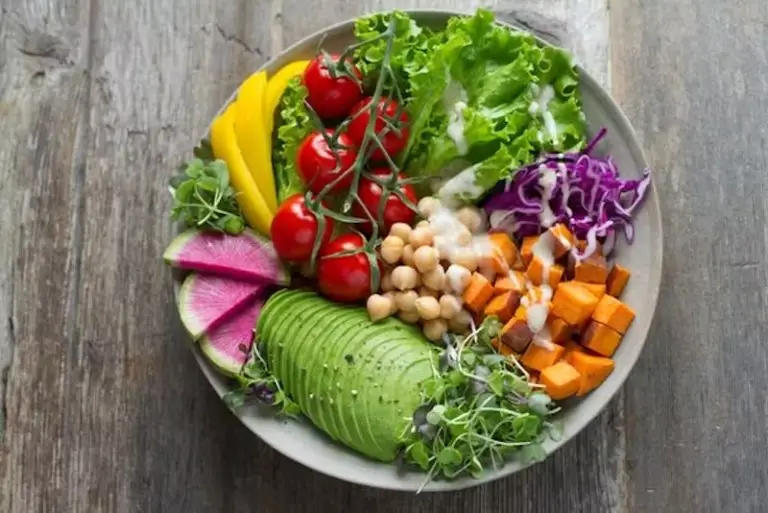
More and more research shows the benefits of plant-based diets for maintaining a healthy weight. Plant-based diets are becoming more popular in the US, with 23% of people choosing a diet of mostly plant foods.
The reason is that there has been a growing amount of research in recent decades about the benefits of increasing plant intake and cutting back on meat, especially red meat.
At Valley Medical Weight Loss across all four Phoenix metro locations, we’ve helped countless individuals understand how to incorporate more plant-based foods into their weight loss journey. While there are a lot of ways to do a plant-based diet, and some are more strict than others, the research shows that getting more plants in your diet is beneficial for your health.
Let’s break down some of the most common plant-based diets and how a plant-based diet can benefit your weight loss goals.
A plant-based diet done right can help you lose weight.
“Done right” means eating whole foods instead of heavily processed plant-based foods.
For example, highly processed cereals are a plant-based option. There are no meat or animal products in them. But because they’re highly processed, they’re high in extra sugar and calories. Plus, they end up not being very filling, and you have to eat more to get full.
So, highly processed cereal is plant-based, but it is not a healthy or weight-loss-friendly option.
To Lose Weight on a Plant-Based Diet:
So rather than cereal, choose oatmeal mixed with fruits, cinnamon, and honey to achieve a sweet and palatable flavor.
When you choose whole foods and complex carbs over the highly processed plant options, then a plant-based diet is effective for losing weight.
One study found that those on a plant-based diet were able to cut calories more effectively than those who included animal products in their diet. This is due to the nature of whole plant-based foods being higher in fiber and being more filling. So a full plant-based meal is more likely to keep you fuller longer and help you consume fewer calories.
Another review of 12 different studies found that those who followed a plant-based diet to lose weight lost significantly more than those who kept meat in their diets.
Through experience at Valley Medical Weight Loss, we’ve observed that individuals who increase their plant intake even without going fully plant-based often experience improved weight loss results and better overall health.
So if weight loss is your goal, a plant-based diet can help you lose weight. Plus, going plant-based provides other health benefits as well.
Diets low in meat and animal products are associated with a lower incidence of many diseases and conditions.
So while losing weight on a plant-based diet is a beneficial short-term goal, cutting meat out of your diet or consuming it in moderation also has long-term health benefits.
Choosing a plant-based diet isn’t as straightforward as it may seem.
While the vegan and vegetarian diets are the most commonly talked about, the category of plant-based is much broader than that.
The reason is that when you talk about a plant-based diet, the key is in thinking about what foods make up the foundation of your diet.
In other words, what do you eat the most of?
On any plant-based diet, plants will make up the majority of your diet. That means that while some people make plants 100% of their diet, for many others, plants are the majority of their diet, and they also eat small amounts of animal products.
That’s why the percentage of plant-based eaters is as high as 23% of the population.
If plant-based meant plants ONLY, then the percentage would be much lower. Only 2% of people consider themselves vegan or only eat plants at all times. Below are some of the most common plant-based options out there, plus the pros and cons of choosing them.
The vegan diet is one that only allows for plants.
The Challenge of Sustainability
Many people find it unsustainable in the long term.
While restaurants and our culture as a whole grow more accommodating to a vegan diet, it’s still not easy to find balanced vegan options everywhere.
It’s also a restrictive diet. While there are many plant-based foods to choose from for a varied diet, you also have to cut out a lot of foods that are staples in diets all over the world.
You can count out things like:
While for some removing all of this from the diet is possible, for others it’s a challenge that makes a vegan diet too difficult to maintain.
But there are less restrictive plant-based diets out there.
The vegetarian diet is the less strict version of the vegan diet.
You primarily eat plants but can eat some animal-based foods.
The Key Distinction
The deciding factor on a vegetarian diet is whether an animal was killed to get the product. So you can still eat eggs, honey, cheese, yogurt, and ice cream. But gelatin and any meat, like chicken, pork, or fish, would still be off the list.
This option gives a bit more flexibility than the vegan diet. But to be done right, like the vegan diet, the vegetarian diet requires focusing on adding non-processed foods to your diet.
A Word of Caution
It’s easy to find highly processed vegetarian options and think it’s good for your health because it’s plant-based. But remember that whether you’re choosing vegan or vegetarian, the emphasis should be on choosing a wide variety of whole foods.
Through work at Valley Medical Weight Loss, we help individuals understand that “plant-based” doesn’t automatically mean “healthy” the quality of the food matters just as much as the source.
A flexitarian diet is what it sounds like: a flexible diet.
The Origin
The term was coined and written about by Dawn Jackson Blatner in her 2009 book, The Flexitarian Diet: The Mostly Vegetarian Way to Lose Weight, Be Healthier, Prevent Disease and Add Years to Your Life.
It’s a diet where someone will primarily eat plants and veg-based protein sources. But they will not say no to the occasional animal-based product or meat.
How It Works
They may choose to rarely cook it themselves or just save their meat-based meal for the rare special occasion. The purpose of the diet is to make eating more plants a consistent habit without the restrictions of a vegan or vegetarian diet.
The flexitarian meal plan, as put forward in the book, also helps with weight loss by keeping calorie count around 1,500 each day. This is within a reasonable window to make weight loss progress over time. As a result, this diet is one that’s good for weight loss and for overall health as you reap the benefits of going primarily plant-based.
The Mediterranean diet doesn’t get talked about much in plant-based circles because it still includes meat in moderation.
But the diet is plant-based and predominantly made up of whole fruits, vegetables, and legumes. But you can still consume dairy and some meat.
Why It’s So Effective
Not only have studies shown that it’s good for heart health, managing diabetes, and weight loss. It’s also one of the most sustainable diets.
These more flexible plant-based diets are sustainable because the foundation is whole foods and plants. But there’s still room to enjoy the foods you enjoy in moderation.
What You Can Eat:
For example, with the Mediterranean diet, you can have:
The Long-Term Perspective
The thing about dieting is that losing weight fast is only one piece of the plan.
You also need a plan for how to keep that weight off in the long run.
And that’s why flexible diets, like the Mediterranean diet, that allow you to eat a variety of foods win across the board for weight loss and overall health. They’re both healthy and sustainable.
Through experience helping individuals at Valley Medical Weight Loss, we’ve found that those who adopt flexible, sustainable eating patterns rather than restrictive diets achieve the best long-term results.
Absolutely! Plant-based protein sources include legumes, tofu, tempeh, edamame, quinoa, nuts, seeds, and whole grains. With proper planning, you can easily meet your protein needs.
Depending on how strict your diet is, you may need B12 supplementation (especially for vegans), and possibly vitamin D, iron, and omega-3s. We recommend getting bloodwork done to assess your individual needs.
Yes! We customize our Weekly Weight Loss Program and Premier Weight Loss Program to accommodate various dietary preferences, including plant-based eating.
Not necessarily. Weight loss depends more on overall calorie intake, food quality, and sustainability than on how strictly plant-based you are. The best diet is one you can maintain long-term.
Start small! Try different cooking methods (roasting, grilling, sautéing), experiment with seasonings, and gradually introduce new vegetables. You might be surprised at what you enjoy when it’s prepared well.
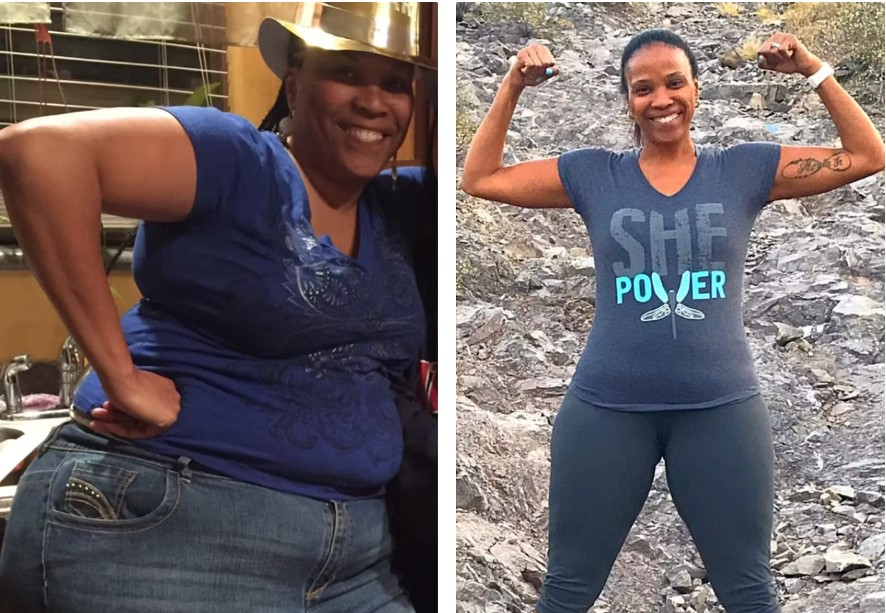
Many individuals have achieved remarkable weight loss results by incorporating more plant-based foods into their diet. One person told us, “I started with a flexitarian approach, eating mostly plants but still having fish twice a week. I lost 35 pounds, and my cholesterol dropped significantly!”
Another shared, “I didn’t think I could give up meat, but the team helped me find delicious plant-based recipes. I’m eating more vegetables than ever, and I’ve lost 28 pounds!”





Valley Medical Weight Loss has been helping individuals achieve their health and wellness goals for over 15 years, with more than 80,000 patients served across the Phoenix metro area. Our four convenient locations in Phoenix, Tempe, Glendale, and Chandler offer physician-supervised weight loss programs, advanced treatments, and personalized support, all with transparent pricing and no hidden fees. We believe in making effective weight loss accessible, affordable, and sustainable for everyone. Learn more about our approach.
We offer a range of options for our individuals because we know that there isn’t a one-size-fits-all solution to weight loss.
That’s why we provide a range of diet plans, injections, and supplements that help you lose weight safely and with the support of our team.
With us, you can have a steady weight loss strategy under the supervision of our doctors.
You also need a plan to eat well and keep losing weight for the long run. And that’s where we continue to support you until you achieve your goals.
We get to know you, your health, and your diet preferences to create a long-lasting and sustainable plan.
While a plant-based diet can help you lose weight, we know there are many options out there to help you achieve your goals.
Whether that involves a flexible diet or a more strict diet will depend on your goals and the advice from your doctor. But there is a way for you to lose weight and feel healthy again.
We’ve helped hundreds of people across the Valley, and we’re here to help you, too, when you’re ready.
Visit us at any location:
Walk-In Hours: Mon–Fri: New patients until 4:30 PM, existing patients until 5:30 PM; Sat: until 2:30 PM; Sun: Closed.
Subscribe for expert insights on building confidence, overcoming mental barriers, and achieving lasting weight loss success. Join patients who are transforming both body and mind.Join our newsletter for expert insights on treating melasma, hyperpigmentation, and other skin concerns. Our medical aesthetic team shares practical advice to help you achieve clear, radiant skin.
Comprehensive Weight Loss Programs:
Nutritional Support:
Additional Resources:

By Dr. Samuel Zuniga, ND
Valley Medical Weight Loss | Chandler, Arizona
More and more research shows the benefits of plant-based diets for maintaining a healthy weight. Plant-based diets are becoming more popular in the US, with 23% of people choosing a diet of mostly plant foods.
The reason is that there has been a growing amount of research in recent decades about the benefits of increasing plant intake and cutting back on meat, especially red meat.
At Valley Medical Weight Loss across all four Phoenix metro locations, we’ve helped countless individuals understand how to incorporate more plant-based foods into their weight loss journey. While there are a lot of ways to do a plant-based diet, and some are more strict than others, the research shows that getting more plants in your diet is beneficial for your health.
Let’s break down some of the most common plant-based diets and how a plant-based diet can benefit your weight loss goals.
A plant-based diet done right can help you lose weight.
“Done right” means eating whole foods instead of heavily processed plant-based foods.
For example, highly processed cereals are a plant-based option. There are no meat or animal products in them. But because they’re highly processed, they’re high in extra sugar and calories. Plus, they end up not being very filling, and you have to eat more to get full.
So, highly processed cereal is plant-based, but it is not a healthy or weight-loss-friendly option.
To Lose Weight on a Plant-Based Diet:
So rather than cereal, choose oatmeal mixed with fruits, cinnamon, and honey to achieve a sweet and palatable flavor.
When you choose whole foods and complex carbs over the highly processed plant options, then a plant-based diet is effective for losing weight.
One study found that those on a plant-based diet were able to cut calories more effectively than those who included animal products in their diet. This is due to the nature of whole plant-based foods being higher in fiber and being more filling. So a full plant-based meal is more likely to keep you fuller longer and help you consume fewer calories.
Another review of 12 different studies found that those who followed a plant-based diet to lose weight lost significantly more than those who kept meat in their diets.
Through experience at Valley Medical Weight Loss, we’ve observed that individuals who increase their plant intake even without going fully plant-based often experience improved weight loss results and better overall health.
So if weight loss is your goal, a plant-based diet can help you lose weight. Plus, going plant-based provides other health benefits as well.
Diets low in meat and animal products are associated with a lower incidence of many diseases and conditions.
So while losing weight on a plant-based diet is a beneficial short-term goal, cutting meat out of your diet or consuming it in moderation also has long-term health benefits.
Choosing a plant-based diet isn’t as straightforward as it may seem.
While the vegan and vegetarian diets are the most commonly talked about, the category of plant-based is much broader than that.
The reason is that when you talk about a plant-based diet, the key is in thinking about what foods make up the foundation of your diet.
In other words, what do you eat the most of?
On any plant-based diet, plants will make up the majority of your diet. That means that while some people make plants 100% of their diet, for many others, plants are the majority of their diet, and they also eat small amounts of animal products.
That’s why the percentage of plant-based eaters is as high as 23% of the population.
If plant-based meant plants ONLY, then the percentage would be much lower. Only 2% of people consider themselves vegan or only eat plants at all times. Below are some of the most common plant-based options out there, plus the pros and cons of choosing them.
The vegan diet is one that only allows for plants.
The Challenge of Sustainability
Many people find it unsustainable in the long term.
While restaurants and our culture as a whole grow more accommodating to a vegan diet, it’s still not easy to find balanced vegan options everywhere.
It’s also a restrictive diet. While there are many plant-based foods to choose from for a varied diet, you also have to cut out a lot of foods that are staples in diets all over the world.
You can count out things like:
While for some removing all of this from the diet is possible, for others it’s a challenge that makes a vegan diet too difficult to maintain.
But there are less restrictive plant-based diets out there.
The vegetarian diet is the less strict version of the vegan diet.
You primarily eat plants but can eat some animal-based foods.
The Key Distinction
The deciding factor on a vegetarian diet is whether an animal was killed to get the product. So you can still eat eggs, honey, cheese, yogurt, and ice cream. But gelatin and any meat, like chicken, pork, or fish, would still be off the list.
This option gives a bit more flexibility than the vegan diet. But to be done right, like the vegan diet, the vegetarian diet requires focusing on adding non-processed foods to your diet.
A Word of Caution
It’s easy to find highly processed vegetarian options and think it’s good for your health because it’s plant-based. But remember that whether you’re choosing vegan or vegetarian, the emphasis should be on choosing a wide variety of whole foods.
Through work at Valley Medical Weight Loss, we help individuals understand that “plant-based” doesn’t automatically mean “healthy” the quality of the food matters just as much as the source.
A flexitarian diet is what it sounds like: a flexible diet.
The Origin
The term was coined and written about by Dawn Jackson Blatner in her 2009 book, The Flexitarian Diet: The Mostly Vegetarian Way to Lose Weight, Be Healthier, Prevent Disease and Add Years to Your Life.
It’s a diet where someone will primarily eat plants and veg-based protein sources. But they will not say no to the occasional animal-based product or meat.
How It Works
They may choose to rarely cook it themselves or just save their meat-based meal for the rare special occasion. The purpose of the diet is to make eating more plants a consistent habit without the restrictions of a vegan or vegetarian diet.
The flexitarian meal plan, as put forward in the book, also helps with weight loss by keeping calorie count around 1,500 each day. This is within a reasonable window to make weight loss progress over time. As a result, this diet is one that’s good for weight loss and for overall health as you reap the benefits of going primarily plant-based.
The Mediterranean diet doesn’t get talked about much in plant-based circles because it still includes meat in moderation.
But the diet is plant-based and predominantly made up of whole fruits, vegetables, and legumes. But you can still consume dairy and some meat.
Why It’s So Effective
Not only have studies shown that it’s good for heart health, managing diabetes, and weight loss. It’s also one of the most sustainable diets.
These more flexible plant-based diets are sustainable because the foundation is whole foods and plants. But there’s still room to enjoy the foods you enjoy in moderation.
What You Can Eat:
For example, with the Mediterranean diet, you can have:
The Long-Term Perspective
The thing about dieting is that losing weight fast is only one piece of the plan.
You also need a plan for how to keep that weight off in the long run.
And that’s why flexible diets, like the Mediterranean diet, that allow you to eat a variety of foods win across the board for weight loss and overall health. They’re both healthy and sustainable.
Through experience helping individuals at Valley Medical Weight Loss, we’ve found that those who adopt flexible, sustainable eating patterns rather than restrictive diets achieve the best long-term results.
Absolutely! Plant-based protein sources include legumes, tofu, tempeh, edamame, quinoa, nuts, seeds, and whole grains. With proper planning, you can easily meet your protein needs.
Depending on how strict your diet is, you may need B12 supplementation (especially for vegans), and possibly vitamin D, iron, and omega-3s. We recommend getting bloodwork done to assess your individual needs.
Yes! We customize our Weekly Weight Loss Program and Premier Weight Loss Program to accommodate various dietary preferences, including plant-based eating.
Not necessarily. Weight loss depends more on overall calorie intake, food quality, and sustainability than on how strictly plant-based you are. The best diet is one you can maintain long-term.
Start small! Try different cooking methods (roasting, grilling, sautéing), experiment with seasonings, and gradually introduce new vegetables. You might be surprised at what you enjoy when it’s prepared well.
Many individuals have achieved remarkable weight loss results by incorporating more plant-based foods into their diet. One person told us, “I started with a flexitarian approach, eating mostly plants but still having fish twice a week. I lost 35 pounds, and my cholesterol dropped significantly!”
Another shared, “I didn’t think I could give up meat, but the team helped me find delicious plant-based recipes. I’m eating more vegetables than ever, and I’ve lost 28 pounds!”
Valley Medical Weight Loss has been helping individuals achieve their health and wellness goals for over 15 years, with more than 80,000 patients served across the Phoenix metro area. Our four convenient locations in Phoenix, Tempe, Glendale, and Chandler offer physician-supervised weight loss programs, advanced treatments, and personalized support, all with transparent pricing and no hidden fees. We believe in making effective weight loss accessible, affordable, and sustainable for everyone. Learn more about our approach.
We offer a range of options for our individuals because we know that there isn’t a one-size-fits-all solution to weight loss.
That’s why we provide a range of diet plans, injections, and supplements that help you lose weight safely and with the support of our team.
With us, you can have a steady weight loss strategy under the supervision of our doctors.
You also need a plan to eat well and keep losing weight for the long run. And that’s where we continue to support you until you achieve your goals.
We get to know you, your health, and your diet preferences to create a long-lasting and sustainable plan.
While a plant-based diet can help you lose weight, we know there are many options out there to help you achieve your goals.
Whether that involves a flexible diet or a more strict diet will depend on your goals and the advice from your doctor. But there is a way for you to lose weight and feel healthy again.
We’ve helped hundreds of people across the Valley, and we’re here to help you, too, when you’re ready.
Visit us at any location:
Walk-In Hours: Mon–Fri: New patients until 4:30 PM, existing patients until 5:30 PM; Sat: until 2:30 PM; Sun: Closed.
Subscribe for expert insights on building confidence, overcoming mental barriers, and achieving lasting weight loss success. Join patients who are transforming both body and mind.Join our newsletter for expert insights on treating melasma, hyperpigmentation, and other skin concerns. Our medical aesthetic team shares practical advice to help you achieve clear, radiant skin.
Comprehensive Weight Loss Programs:
Nutritional Support:
Additional Resources:
EXCELLENTTrustindex verifies that the original source of the review is Google. I’ve had a great experience working with Valley Medical in Chandler. I have lost 20 pounds so far with the help from Alejandra, she has been very informative on this journey. Everyone here is very friendly and personable. If you are looking to lose weight and have more energy I would highly recommend coming to start your journey!Posted onTrustindex verifies that the original source of the review is Google. Love it here ! Friendly, fast and makes me feel motivated ! Christine and Amelia were phenomenal slay queens ! I've lost 5ibs since being here ! I'm ready to keep going 🩵Posted onTrustindex verifies that the original source of the review is Google. Alejandra was fantastic one of the best workers up in the office had a great and uplifting attitude she went above and beyond to help answers all questions efficiently would highly recommend goin here 12 out of 10 ratings great jobPosted onTrustindex verifies that the original source of the review is Google. I highly recommend Valley Medical Weight Loss! Alejandra has been amazing from day one supportive, motivating, and truly invested in my success. In just over 8 weeks, I’ve lost nearly 30 pounds. They genuinely care about your health and make the process feel manageable and personalized. Thank you, Alejandra!Posted onTrustindex verifies that the original source of the review is Google. Awesome staff, courteous and clean. I’m down 40 lbs in one month. Prices for supplements are better than getting them from Amazon!Posted onTrustindex verifies that the original source of the review is Google. Stephanie muy linda y atenta persona muy buena explicación hacerca del tratamientoPosted onTrustindex verifies that the original source of the review is Google. Happy they have a location in chandler now. Staff is extremely friendly and helpful.Posted onTrustindex verifies that the original source of the review is Google. I’ve had a great experience here so far. The staff is absolutely amazing very kind, supportive, and always willing to answer my questions. They truly make you feel comfortable and encouraged throughout the weight-loss process. I’m seeing results and feel well taken care of. Highly recommend!Posted onTrustindex verifies that the original source of the review is Google. Love the new clinic, the space is beautiful and welcoming, and the staff was amazing! Alejandra took great care of me. She was very informative, made me feel comfortable throughout the whole process, and I honestly didn’t even feel my injection. Such a great experience, and I’m already looking forward to coming back!Verified by TrustindexTrustindex verified badge is the Universal Symbol of Trust. Only the greatest companies can get the verified badge who has a review score above 4.5, based on customer reviews over the past 12 months. Read more
By: The Hidden Epidemic of Sexual Health and What We Can Do

By: Health and wellness technology has exploded in recent years. From smartwatches
How to Stay Motivated with Slow Weight Loss By: You’re doing everything
M, Tues, Thurs, F: 9axm-4:30pm
Sat: 8am-1:30pm
Wed, Sun: Closed